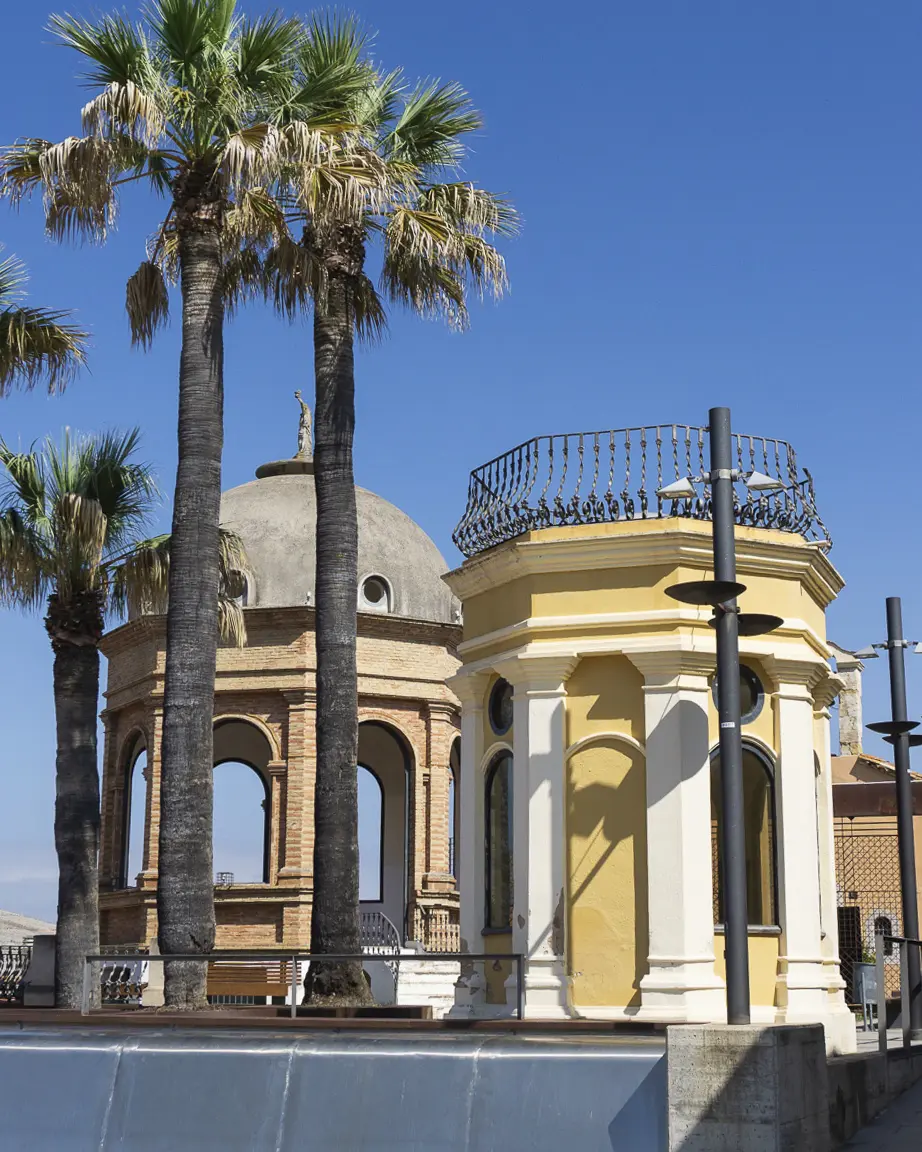
ESPAI AQUAE is a visitor centre that revolves around thermalism, a geological phenomenon with a large presence in Caldes de Malavella. Thermal tourism is a fundamental activity in the current economy of the municipality, it was crucial for the Romans who inhabited the area and it also played a key role in the paleontological site of Camp dels Ninots (about 3.1 million years ago).
In the Espai Aquae you will find areas dedicated specifically to volcanism, to the cycle of our miraculous thermal water, to the use that has been made of it both socially and industrially over time, and to the two large deposits that we have in the municipality; the Roman site of the Roman Baths in Puig de Sant Grau and the paleontological site of Camp dels Ninots.
The Espai Aquae museum center also acts as the Tourist Information Point (PAT) of Caldes de Malavella and depends directly on the Tourist Office. It is a free wifi spot.
THE CENTER
The spaces
exhibition spaces
0
audiovisual
0
BCIN
0
The center
History of the building
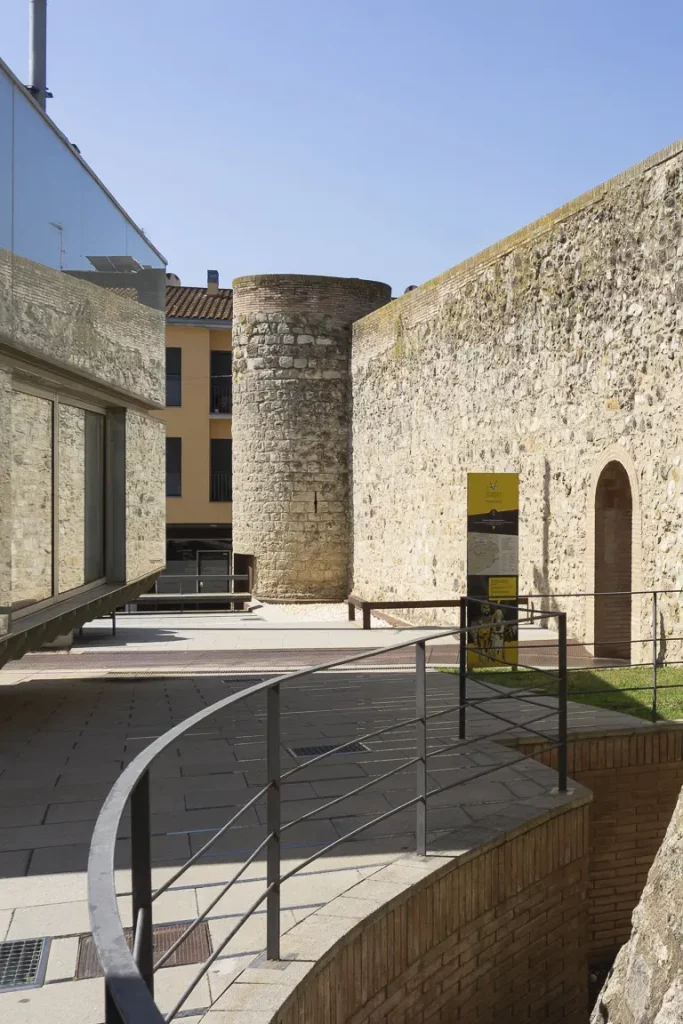
The Espai Aquae museum centre is located in the Castell de Caldes, a defensive construction documented since the 12th century. In 1240 it was already part of the viscounty of Cabrera, after Jaume I ceded it to the castle of Llagostera. From the 14th to the 18th century it was attached to the barony of Llagostera, which was in the hands of the Montcada family. The property remained until the 18th century, when it passed to the Earl of Montagut.
The castle occupied a large part of the Puig de Sant Grau, where there had been Roman baths at least until the 4th century. The few vestiges that have been preserved of the fortification indicate that it must have been a construction with its own wall, flanked by towers. We have reports that from the 16th century part of the Castle’s outbuildings were used as a hospital. The complex was demolished between the 18th and 19th centuries, although the eastern sector of the wall that surrounded it remained, which preserves three towers. The wall is made of squared ashlars, with the presence of loopholes and the atalus base.
At that time the State, which had the public domain, auctioned this space and from the 19th century several outbuildings were built attached to the wall, one of which has a Gothic arched window. These spaces converted into homes were sold from 1880 to the industrialist Pau Estapé who acquired the entire area of Puig de Sant Grau, including the Casa Rosa (then called Dieta-Levi) for the exploitation of the thermal waters, first with the name of Xala water and later with the name of Aigua Imperial.
In the 1980s it was converted as a municipal clinic until the construction of the current CAP in Plaça dels Donants in 2009.
més informació
Visita Caldes de Malavella
més informació
Visita Caldes de Malavella